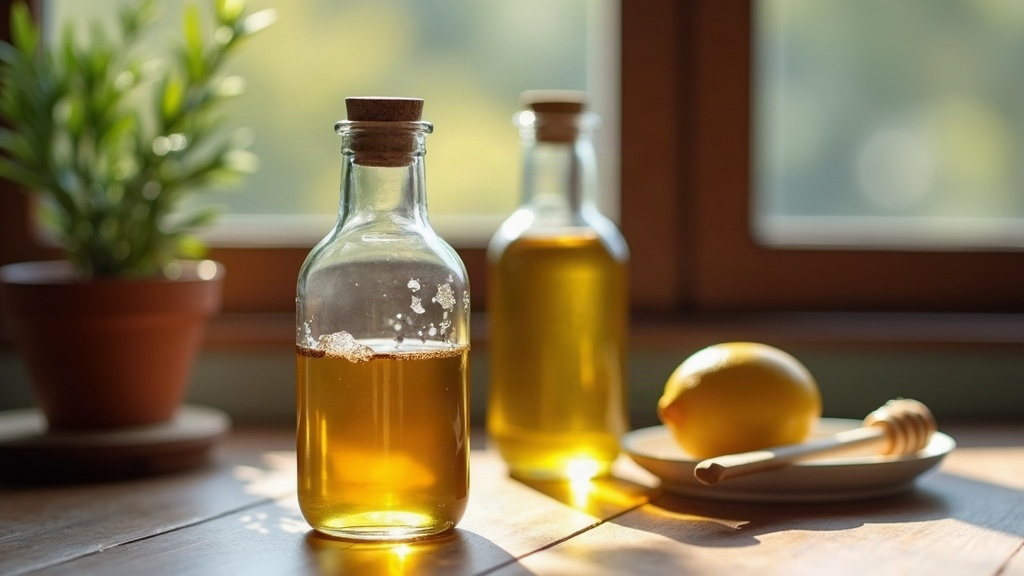
A Kitchen Tradition, Revisited

The Quiet Ritual Behind Biblical drink (oil)/ Honey blend After a Meal

Long before nutrition labels, many households closed a meal with a warm cup — a habit tied to Biblical drink (oil)/ Honey blend that had more to do with table culture than with any promise about health. This is a look at that tradition, not a treatment plan.

Everyday Nutrition  ·  Daily Habits  ·  Educational Content  ·  Kitchen Traditions

The Rhythm Most Kitchens Know Too Well

Picture the table an hour after lunch: the plates are cleared, the kitchen has gone quiet, and yet something about the afternoon feels harder than it should. These four scenes will sound familiar to anyone who pays attention to how meals shape the rest of the day.

The Afternoon Slide

The stretch of low, heavy energy that seems to arrive right on schedule after lunch, regardless of what was actually eaten.

Mornings That Start Heavy

Waking up already tired, before the day has asked anything of you, and wondering whether last night's dinner had something to do with it.

Too Many Rules, Too Little Clarity

A kitchen full of conflicting advice — this food is fine, that one isn't, until every meal starts to feel like a test you might fail.

The Weight of Every Plate

The quiet fatigue of having to decide, three times a day, what belongs on the plate and what doesn't, without ever feeling settled about the answer.

What the Kitchen Gets Wrong

Some of the most repeated ideas about eating and blood sugar habits don’t hold up once you look at them closely. Here are three that come up at nearly every table.

MYTH

Carbohydrates are the enemy and should be cut out entirely.

FACT

Whole, minimally processed carbohydrates — vegetables, legumes, whole grains — behave very differently on the plate than refined, stripped-down versions. The habit worth building is about quality and context, not elimination.

MYTH

Fruit is essentially candy wearing a disguise.

FACT

A whole piece of fruit carries fiber and water that change how it’s experienced by the body compared to juice or dried, sugared versions. Treating all fruit as interchangeable with dessert misses that distinction entirely.

MYTH

There’s a special category of ‘diabetic food’ everyone should switch to.

FACT

Most households do better building meals from shared, ordinary ingredients — vegetables, proteins, whole grains — prepared with attention, rather than shopping for a separate aisle of specialty products.

Three Habits Worth Building at the Table

None of this replaces medical guidance — any changes to eating patterns are worth discussing with the doctor who already knows your history. What follows are habits about the meal itself, not about numbers or treatment.

01

The Order on the Plate

Many people find it helpful to eat vegetables and protein before reaching for the starchier parts of the meal, simply as a matter of sequence and pacing rather than restriction.

02

The Rhythm of the Meal

Slowing down — chewing more, pausing between bites, letting a meal take its time — is a habit that has less to do with willpower and more to do with rebuilding a forgotten rhythm at the table.

03

A Short Walk, Not a Workout

A gentle stroll after eating, even just around the block or the yard, is a habit many kitchens have quietly kept for generations, long before it had a name.

A Ritual Older Than the Recipe

In households across the Levant and the wider Mediterranean, meals traditionally ended not with dessert but with a warm drink — often a blend of honey stirred into a light oil infusion, sometimes flavored with herbs grown at the edge of the garden. It was served in small clay cups, passed around the table as the plates were cleared, a signal that the meal was truly finished. Grandmothers kept the exact proportions to themselves, adjusting the blend by season and by what the garden offered that year. It showed up at weddings, at mourning tables, and on ordinary Tuesdays — less a remedy than a ritual, the kind of thing done because it had always been done.

The instinct to close a meal with a warm cup is older than any nutrition label — it says more about hospitality and habit than about biology. Bringing that ritual into a modern kitchen is a matter of taste and tradition, not treatment; decisions about diet or medication are best left in the hands of the doctor who already follows your care.

Six Everyday Signals Worth a Conversation With Your Doctor

Energy That Dips at the Same Hour

When tiredness shows up like clockwork every afternoon, it's worth mentioning to the doctor who follows your care rather than trying to interpret it alone.

Thirst That Feels Different Lately

A noticeable shift in how thirsty you feel through the day is a detail your doctor can put into context better than a search engine can.

Appetite Swings You Can't Place

Sudden changes in hunger — more, less, or at odd times — are worth describing to your doctor at your next visit, in your own words.

Sleep That Doesn't Feel Like Rest

Waking up tired even after a full night is a pattern your doctor may want to know about, especially if it's become the norm rather than the exception.

A Family Pattern You Haven't Mentioned

If relatives have a history that hasn't come up in your own appointments, that's worth raising directly with the professional who tracks your care.

Numbers You're Curious About

If you've been wondering what your own readings mean, that question belongs with your doctor, who can explain them in the context of your full history.

How Some Kitchens Reorganized the Meal

What changed for us wasn't the food itself so much as the order we ate it in. Vegetables first, then everything else — it sounds small, but dinner stopped feeling rushed.

Marisol Tan
Illustrative account
We started closing dinner with a warm drink instead of reaching straight for something sweet. It became a habit the whole table looked forward to, not a rule anyone had to enforce.
Gregory Achebe
Illustrative account
The short walk after dinner was the easiest habit we've ever kept. Fifteen minutes around the block, most nights, and it just became part of how we end a meal.
Helene Voss
Illustrative account

These accounts are shared for illustrative purposes only, describe personal routines rather than medical outcomes, and do not represent typical results. Individual experiences vary, and none of this content suggests any change to medical treatment.

Curious About the Tradition Behind the Cup?

See the story behind Biblical drink (oil)/ Honey blend, its place at the table across generations, and how households have folded it into the rhythm of a meal. As always, any changes to your eating habits or treatment are worth discussing first with the doctor who follows your care.

Advertising Disclosure: This page contains sponsored content and affiliate links. We may receive compensation if you click a link or make a purchase through the links provided on this page. This helps support the operation of this site at no additional cost to you.

Content Disclaimer: This content is provided for educational and informational purposes only and has not been evaluated by the Food and Drug Administration. It is not intended to diagnose, treat, cure, or prevent any disease, and it does not substitute professional medical advice, diagnosis, or treatment. Always consult a qualified healthcare professional before changing your diet, daily routine, or any prescribed treatment.

Results Disclaimer: Individual results and experiences vary. Testimonials and personal accounts shared on this page reflect individual opinions and are not a guarantee of any particular outcome.

© 2026 · All Rights Reserved